Strategic Branding · Strategic Website
About + Pain Point
arsa
Arsa is a premium clothing label built around the premise that garments designed to last for years rather than seasons require a much stronger foundation than those built around passing trends. Taking its name from an archaic word meaning burned or purified by fire, the brand works exclusively with natural fabrics like raw linen, structured cotton, and unprocessed wool. In terms of positioning, the label sits right at the intersection of considered design and material quality, speaking directly to a buyer who measures value by longevity rather than novelty.
The brief addressed a specific competitive problem in a clothing market that operates on trend cycles that compress meaning into weeks. In that environment, brands standing for restraint and material quality often lack a visual language that distinguishes them from mass-market minimalism. This created a precise strategic question, which was how to build a visual identity that signals permanence and material honesty without borrowing from the exact same references every other quiet fashion brand uses.

Solution
arsa
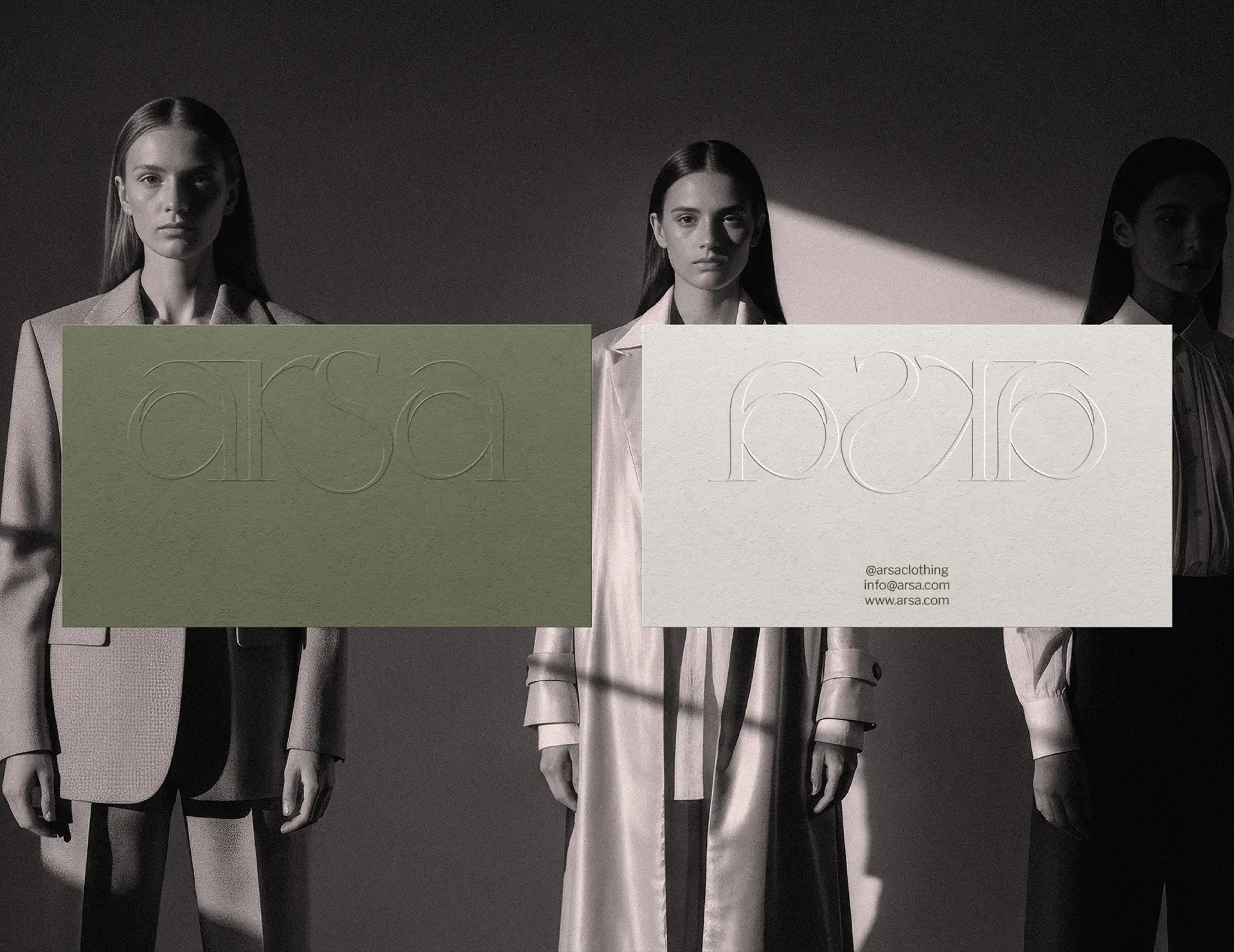
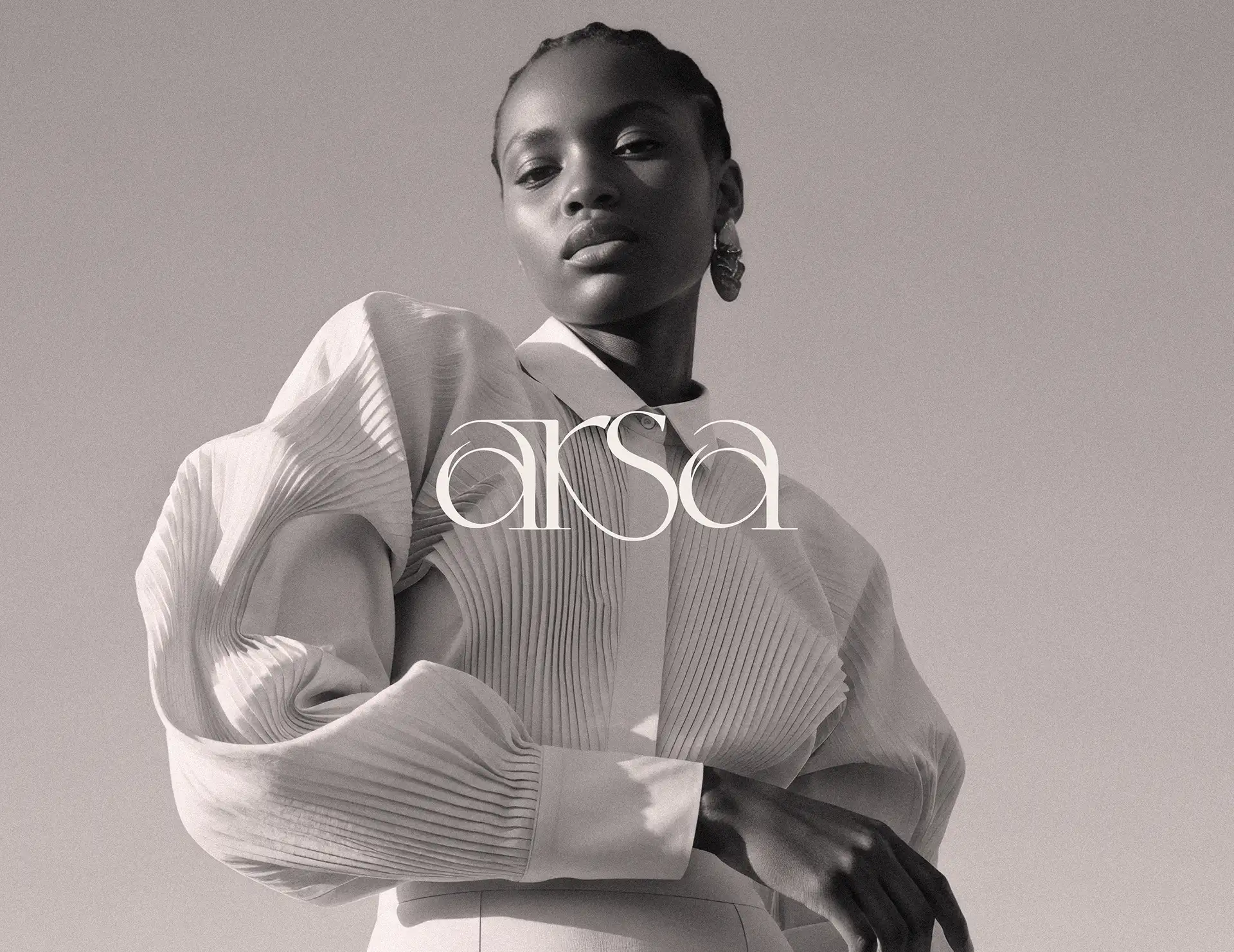
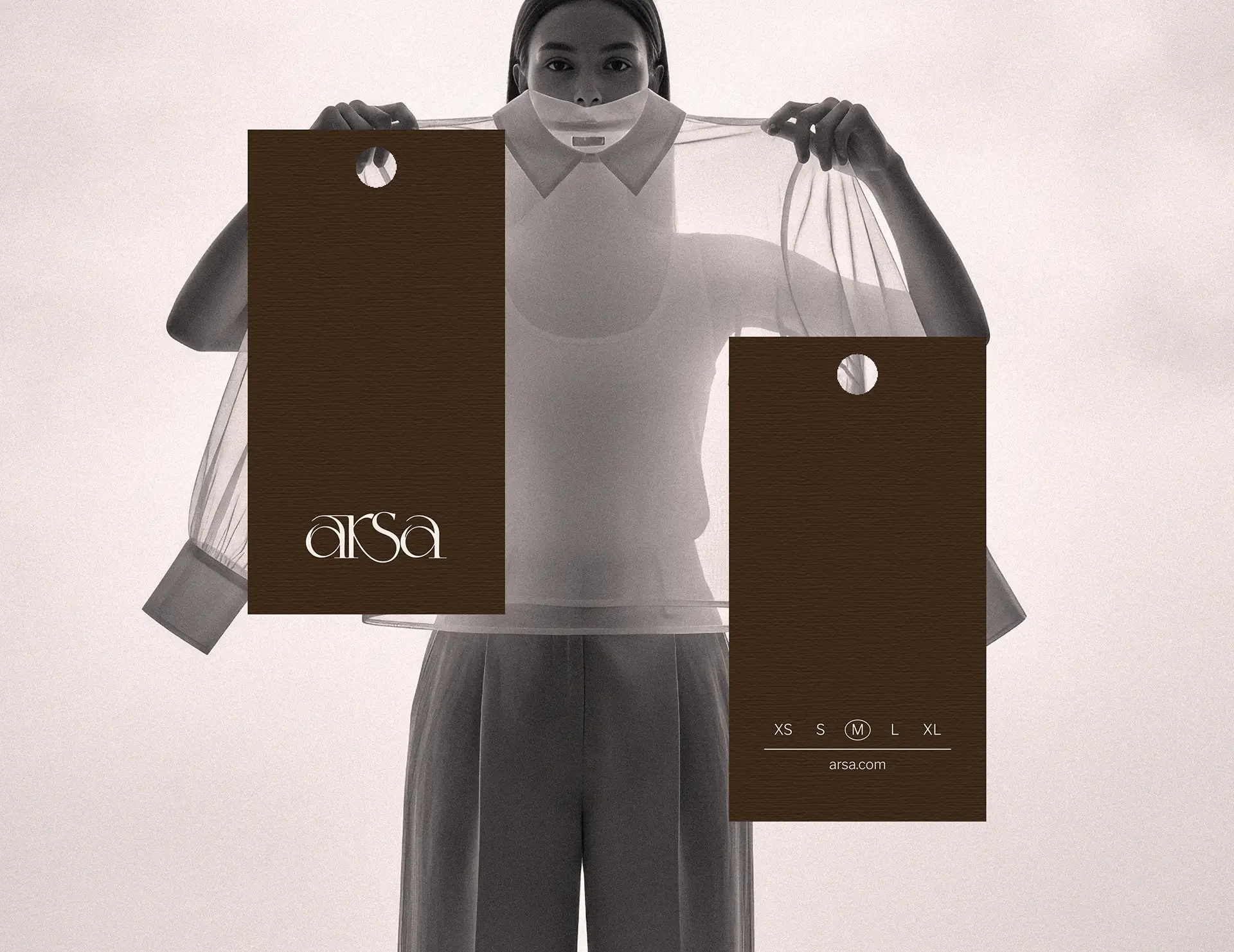
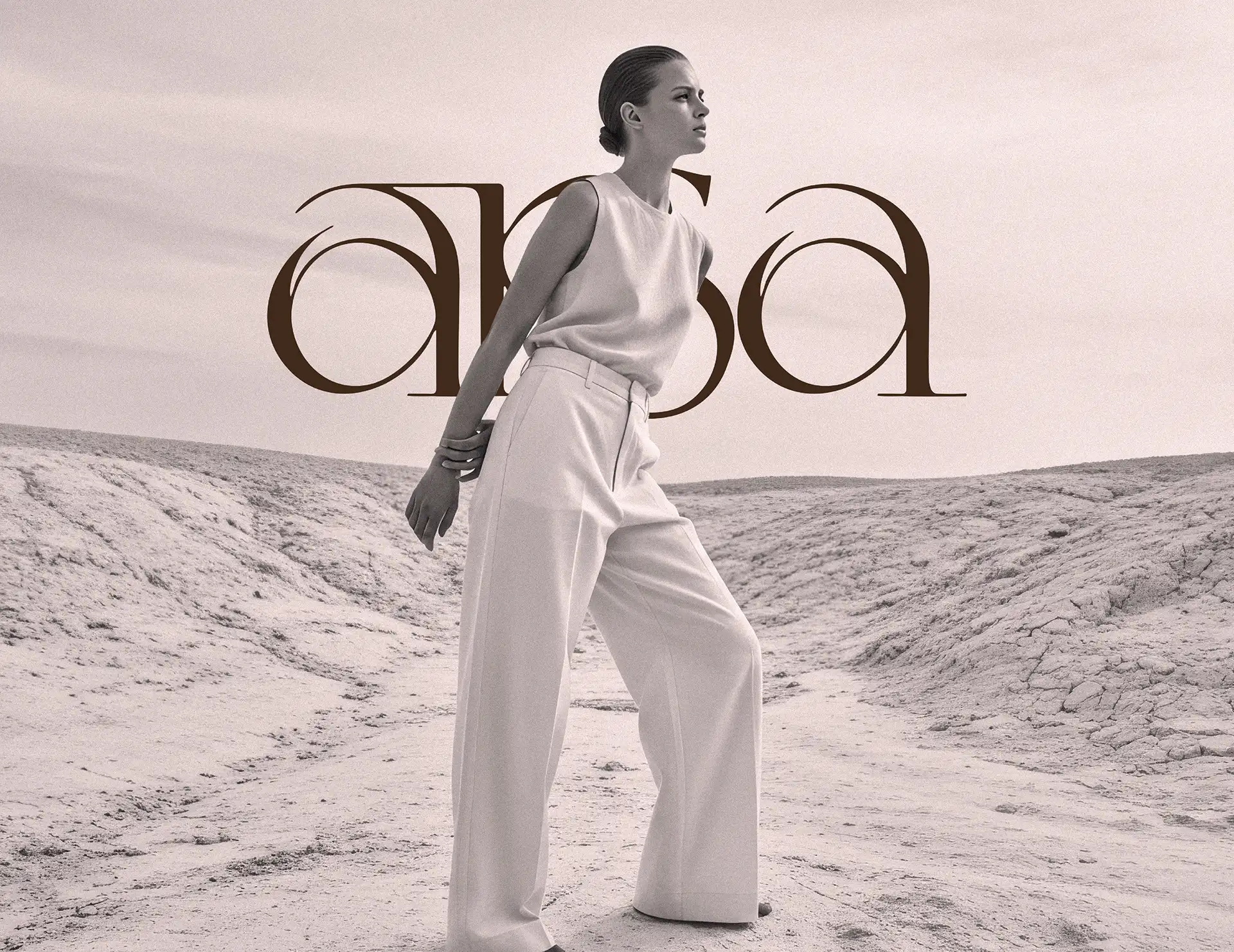
The logo was drawn from scratch with elongated, precise letterforms, making the choice to reject decorative elements a highly strategic one. A brand positioning itself around restraint needed a mark that actually embodied that position instead of simply describing it. As a result, the logo holds its own at every scale without requiring supporting elements to communicate the brand's standards, which works precisely because the brief was completely resolved before the drawing even began.
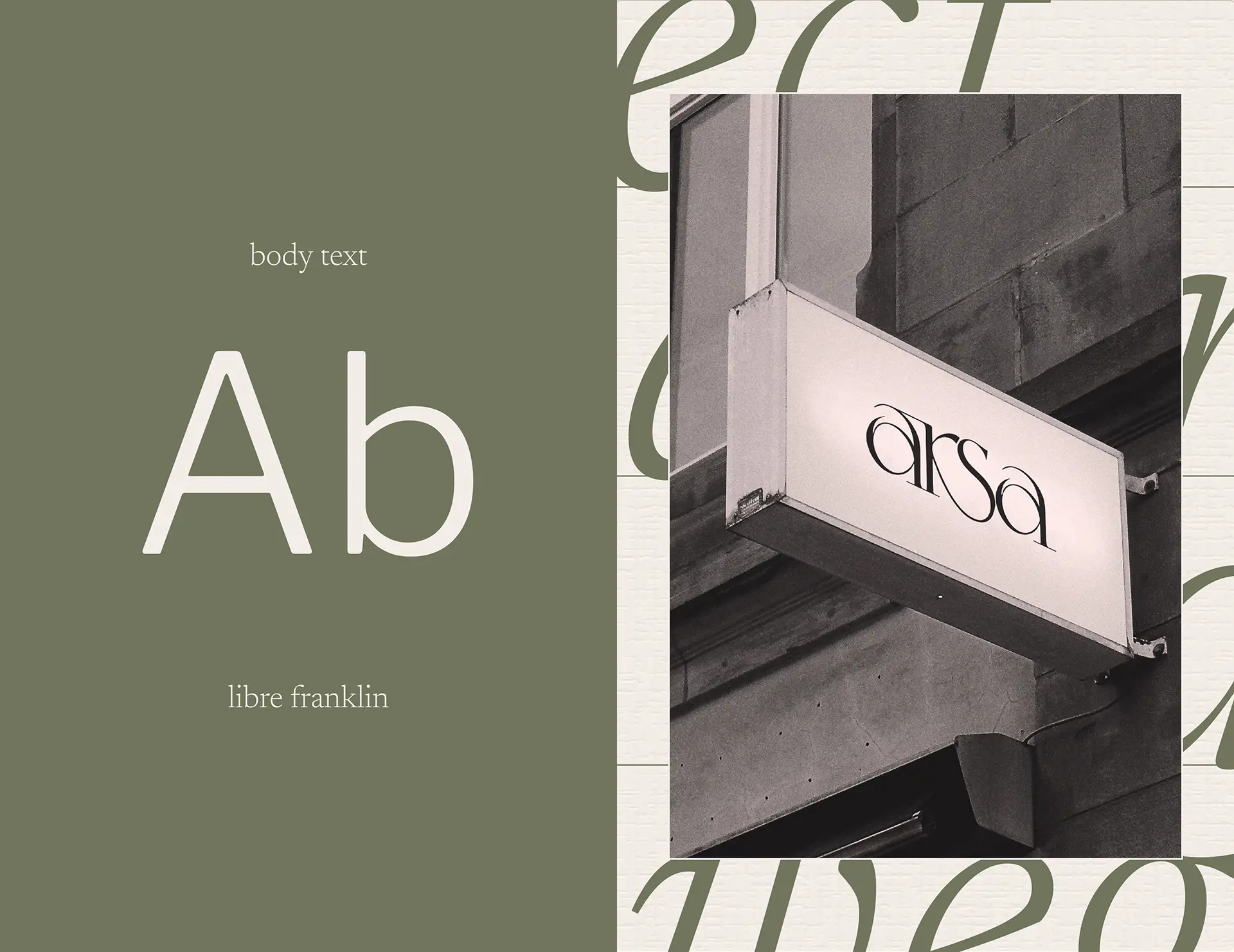
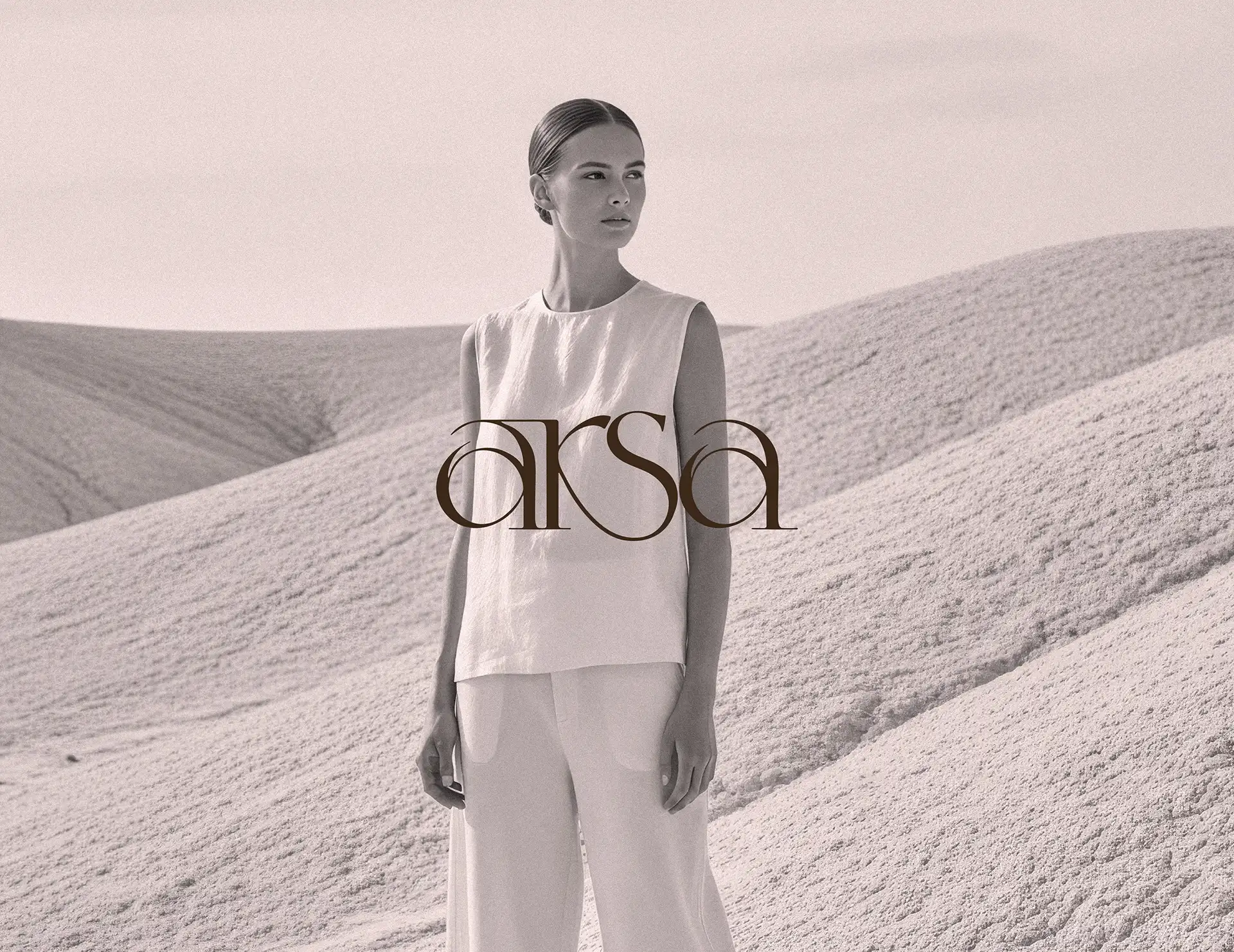
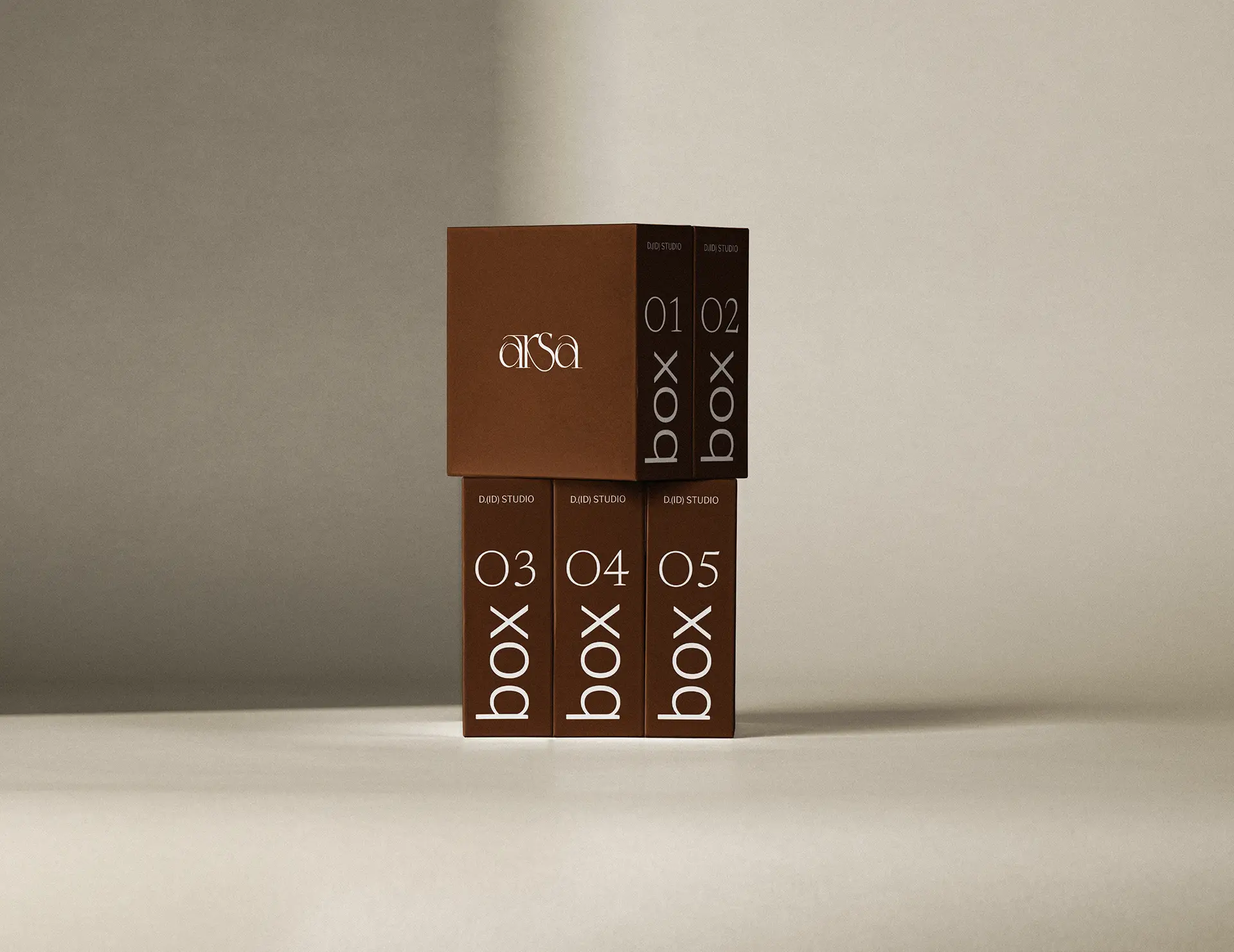
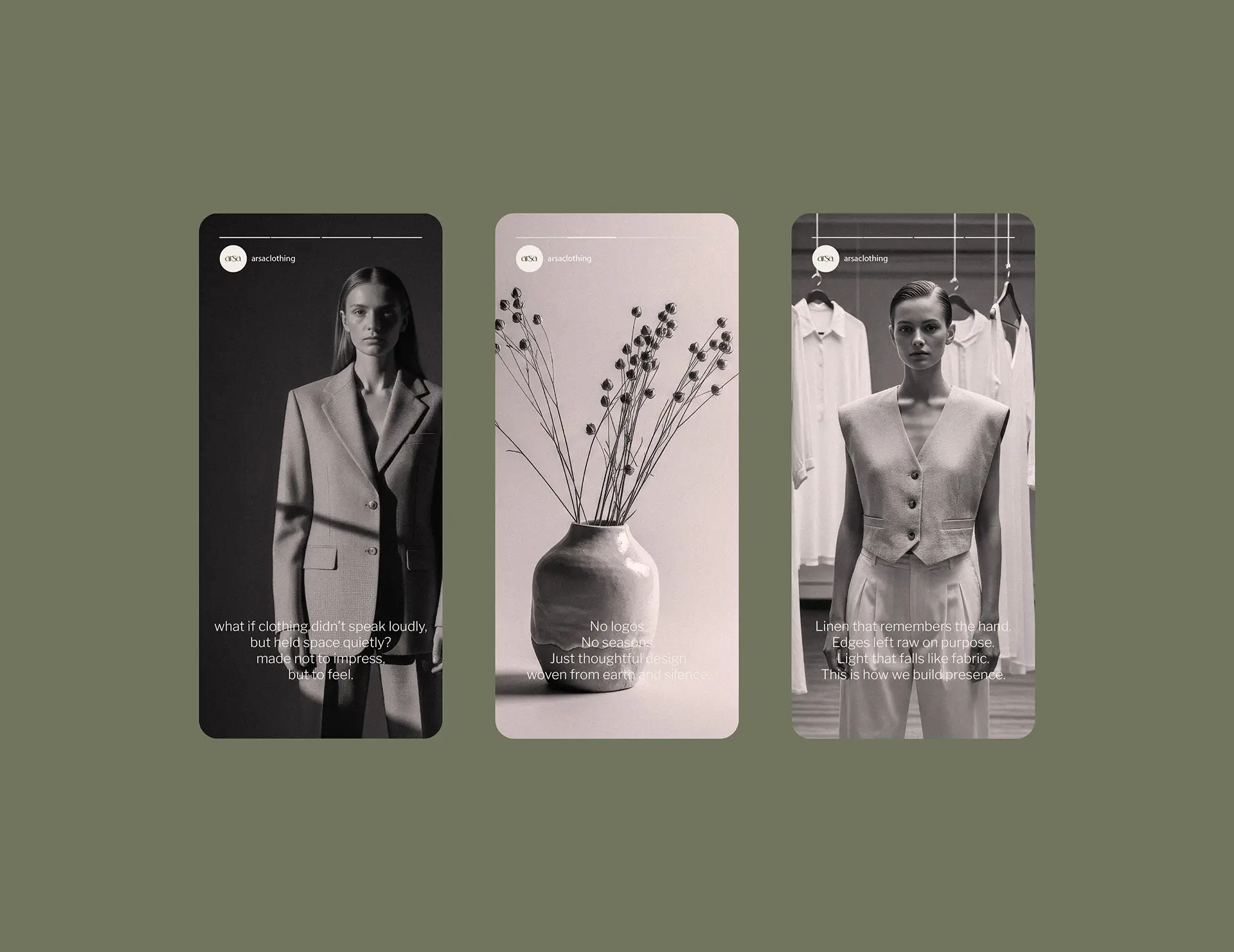
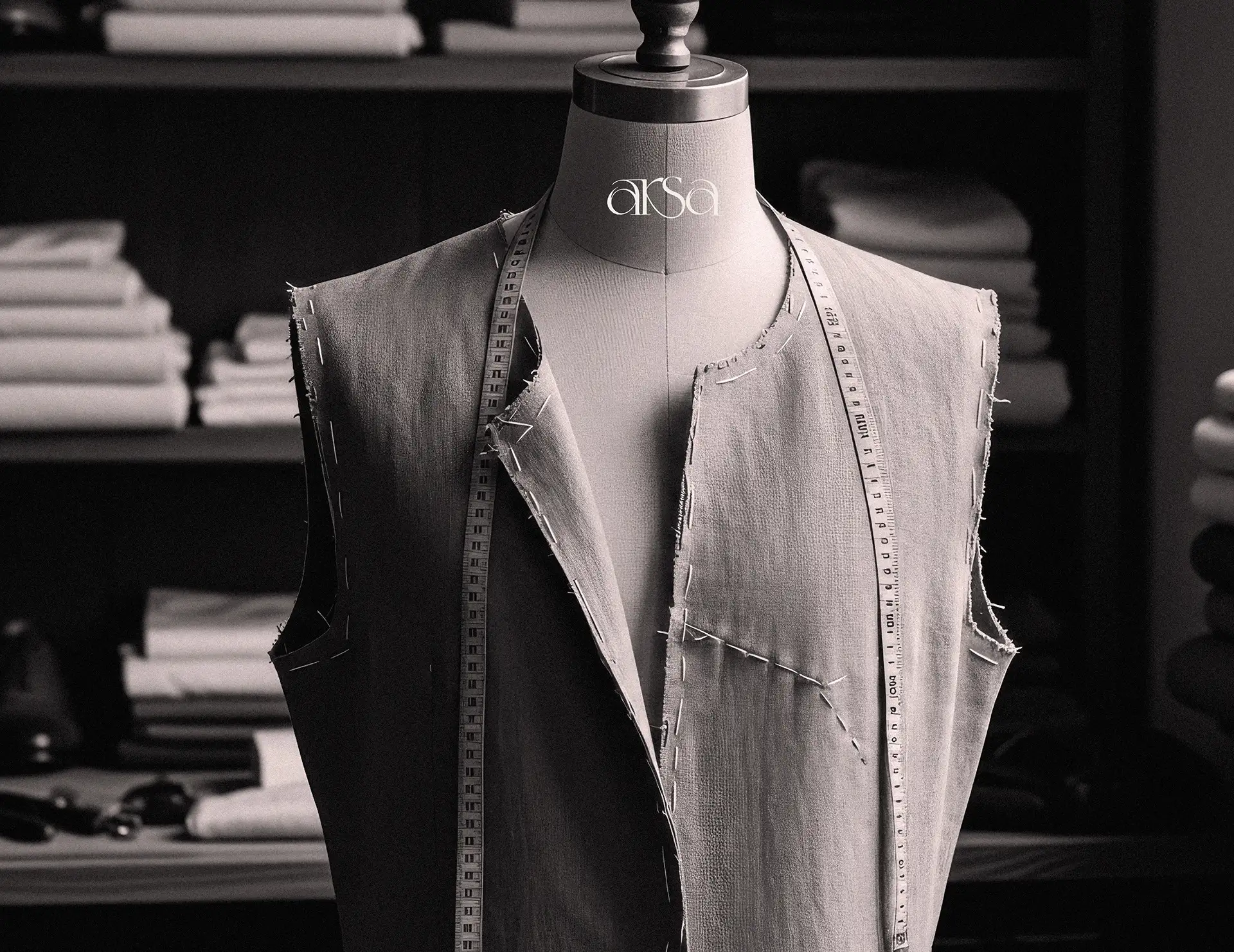
The palette was built from material references outward, using muted olive, bistre, and soft alabaster to connect directly to the brand's fabrics instead of seasonal color forecasts. Typography follows the same logic, combining a refined Newsreader typeface for headlines with a grounded Libre Franklin for layout. Similarly, the photography prioritizes material presence over styling, giving textures like linen, wool, and cotton space to read as raw materials rather than product shots.

THE OUTCOME
arsa
Arsa launched into a market where most competitors in the quiet luxury segment rely on the exact same visual references, specifically neutral tones, editorial photography, and minimal typography. The brand's identity held a completely different position within that space because every visual decision connected back to a material and philosophical argument, rather than a generic aesthetic category.
The practical impact of this choice showed up almost immediately in how the brand was covered by the press. Early articles consistently described Arsa in terms of its core values and material position instead of its styling, meaning journalists were naturally focusing on what the brand stood for rather than just what it looked like. This remains the clearest signal that the identity was doing strategic heavy lifting instead of acting as mere decoration, as the people writing about it fully understood the core argument without ever being given a formal briefing document.